Asthma and women
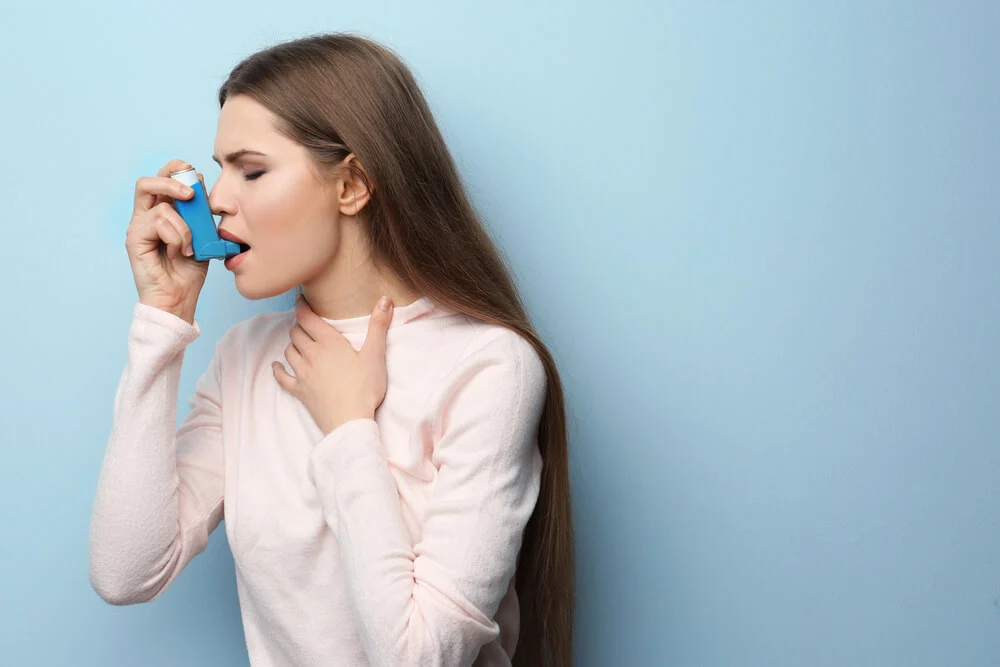
Asthma affects women differently.
Asthma isn’t just common. It is one of the biggest health issues affecting Australian girls and women. In fact, asthma now causes a greater burden of disease in girls/women than breast cancer and lung cancer.3 Most Australians would never guess that—and that’s exactly the problem.
Hormonal changes during puberty, pregnancy, perimenopause and menopause can affect asthma symptoms and control.
- Understand your risk
- Learn how hormones affect asthma
- Get support for every stage of life
WHY IS ASTHMA WORSE FOR WOMEN?
Hormonal shifts across the life course influence airway inflammation and asthma control. This includes menstruation, pregnancy, perimenopause and menopause. These impacts are often made worse by social and environmental factors. Factors which can compound risk and make asthma more difficult to manage. Yet these gender differences are often overlooked in the way asthma is diagnosed and managed.
Asthma in women is not a single-stage issue. It evolves across the life course, and at every stage, girls and women face greater burden than their male counterparts.
CHILDHOOD ASTHMA
In childhood, asthma is the leading cause of disease burden for young girls aged 1-5 years and for school-age girls aged 5-141,3.
This burden continues to shape health, schooling and daily life from and throughout adolescence.
Around 5000 girls under 15 are hospitalised each year due to asthma2.
TEENAGERS AND YOUNG WOMEN
Even though asthma is more common in primary-school aged boys, after puberty the pattern shifts: asthma becomes more common in females than males6. Girls who already carry a high burden in childhood move into adolescence and adulthood with an even greater gendered risk. This shift is driven by hormonal changes that increase airway inflammation and asthma severity.
Girls and women are hospitalised at around twice the rate of boys and men in all age groups starting from age 158. The teenage years are a key time for asthma care. Teens reach new age milestones that open up more treatment options. They also start taking on more responsibility for their own asthma. Peer pressure and wanting to feel “normal” can make asthma care harder. Supervision of daily preventer use often drops, and teens are expected to manage their medicines and symptoms on their own.
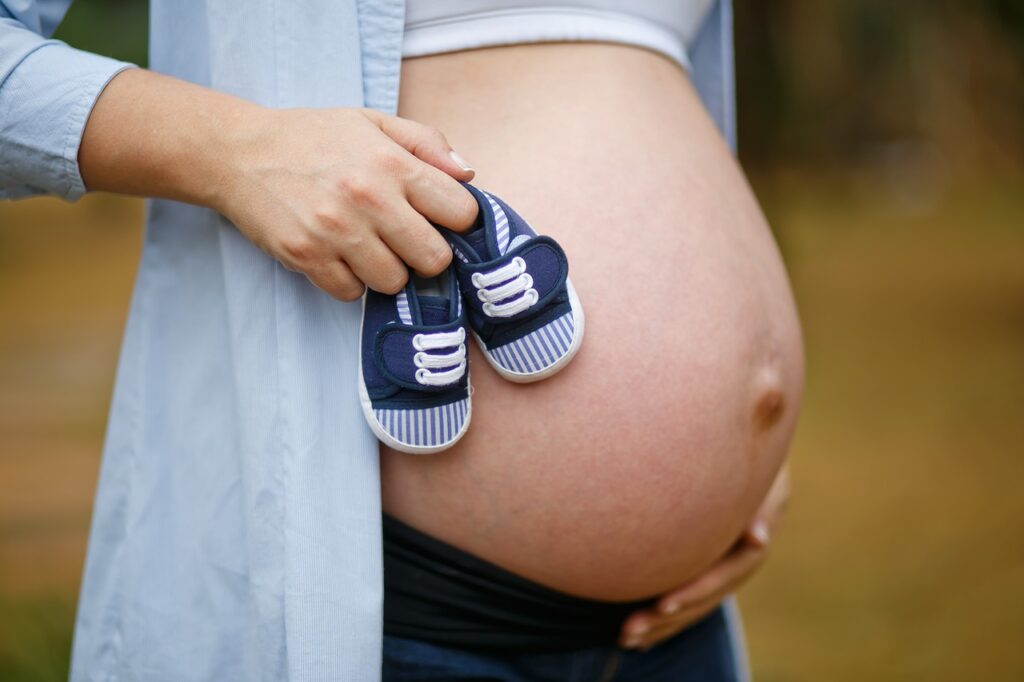
Asthma and Pregnancy
Asthma is one of the most common chronic conditions affecting pregnancy.
Hormones shift, your body is working harder, and you might notice your symptoms change or become more difficult to control. Because you’re breathing for yourself and your baby, keeping your asthma under control is very important.
Most daily preventer medicines are low risk in pregnancy and should be continued. Treat flare-ups early. Good asthma control helps make sure your baby gets the oxygen they need to grow.
ASTHMA AND PERIMENOPAUSE, MENOPAUSE, OR POST-MENOPAUSE
Asthma can place a heavy load on women through midlife. This is often strongest around perimenopause and menopause3. Social and environmental pressures can add to this. Many women in this stage of life are also caring for children, partners or ageing parents. Research on asthma, perimenopause and menopause is still growing. There is still a lot we do not fully understand. Many studies have gaps or mixed findings, especially when looking at how other health conditions may affect asthma at this time. Even so, newer research shows that hormonal changes in perimenopause and menopause can affect lung health and asthma symptoms.